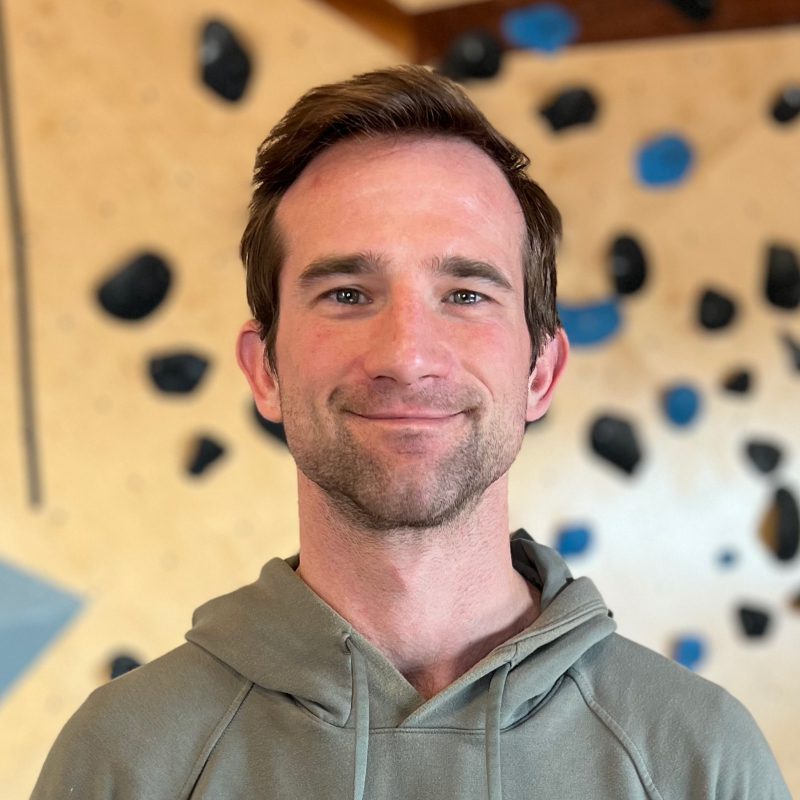
This month’s blog comes from a conversation with the mind behind Member Bennies, Front Data Engineer, and all-around outdoorsman, Dennis Smith. Read along as Dennis takes us through his Spartan days, his time training on Joe De Sena’s Vermont farm, and what he has his eye on next.
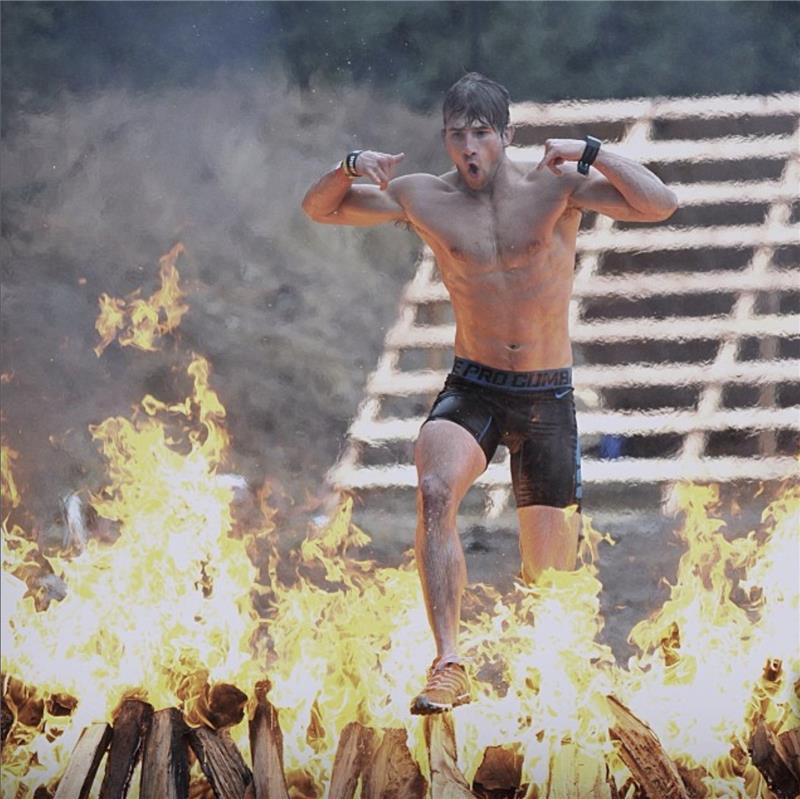
Dennis Smith got into Spartan Racing around 2011, when the races were just getting started, before big sponsors came on and standardization set in. Races were rough around the edges, tougher, and unpredictable. Back then, you could expect nature-driven obstacles like fallen trees turned into walls or hurdles, mental challenges like memory tests and Rubik’s cubes, alpine lake swims with rope climbs under bridges, and a whole lot of improvisation to get to the other side. The camaraderie on the course was its own thing, too. Spartan wasn’t exactly a team sport, but you’d find yourself sharing sandbags, cheering strangers on, and lightening the load for someone you’d just met.
At the beginning of his Spartan career, Dennis was a CrossFit guy and not much of a runner. He grew up playing baseball and wrestling and avoided cardio as much as possible. He was into strength training and doing hard things. He describes himself back then as something more akin to a sprinter, good at pushing hard in short bursts – not necessarily fast – taking on high intensity strength challenges more naturally than the long distances he seeks out today. Spartan racing started as another hard thing to do.
Halfway through his time at the University of Massachusetts Boston, he committed fully to Spartan Racing and started traveling internationally to compete. On campus, his training was a little unconventional: building spears and throwing them at trees, moving buckets of rubble, carrying kettlebells to class. He was trying to recreate the chaos of the early races from his own backyard. This training led to a first Spartan win in Malibu and an invitation from Joe De Sena to come train on his farm in Vermont.
Most athletes who visited Joe’s farm stayed a few days before quitting and going home. Dennis stayed a year. Twice.
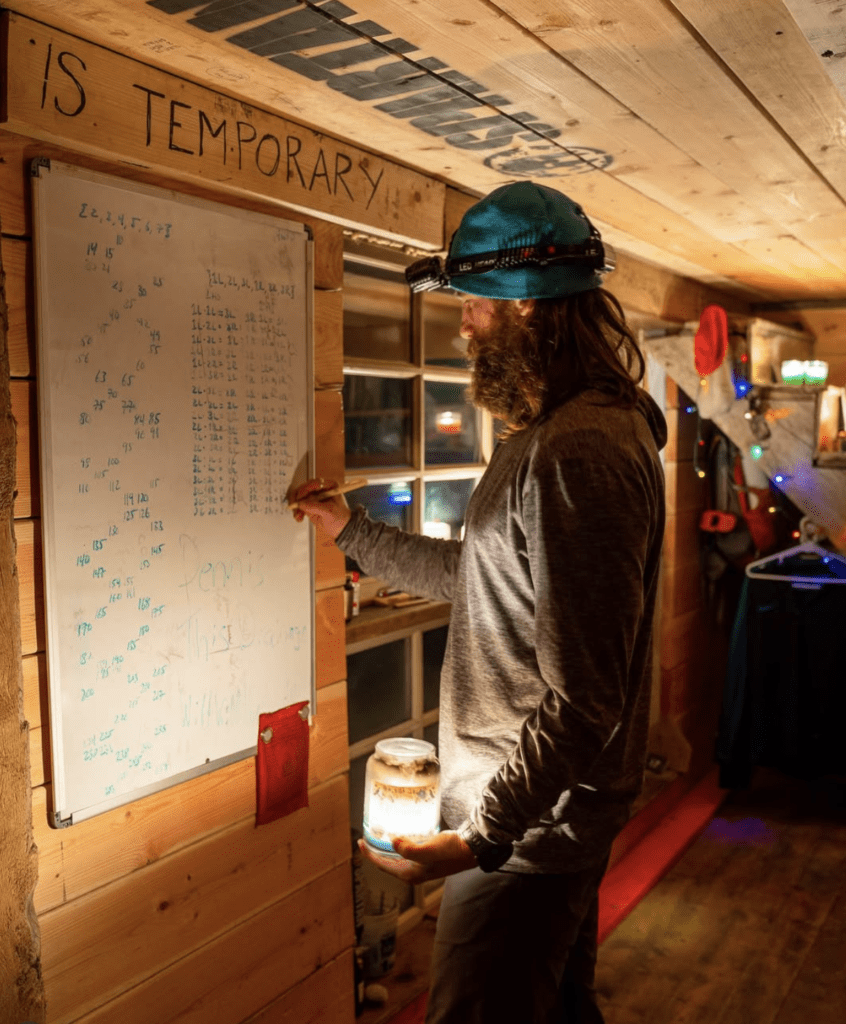
The farm wasn’t really a training facility. It was closer to roughing in the Vermont wilderness, no cell service throughout the town, with daily manual labor tasks turning into mental challenges just to get it done. Dennis and a small group of others, including fellow Spartan pro Miguel Medina, lived in an old pony barn with no heat or running water. Their days consisted of farm chores, carrying stairs up icy mountains, flipping tree logs through fields and rivers, digging rocks out of the mountainside to build a retaining wall, … the list of strange and absurd tasks goes on. Dennis calls this period “living the Death Race” — not attending it, but doing the race every single day, with tasks designed to test and push them to their breaking point. This period of time involved various tests imposed on him and the others to see if they had “it” — the spark to become a top-tier Spartan racer and take everything to the finish line. The living conditions, manual labor, challenges, and isolation conditioned a mental grit that couldn’t be grown in a gym, or at home with everyday comforts, and created life experiences that can’t be adequately described on paper. If you see him, snag him – it’s worth the conversation over a pint.
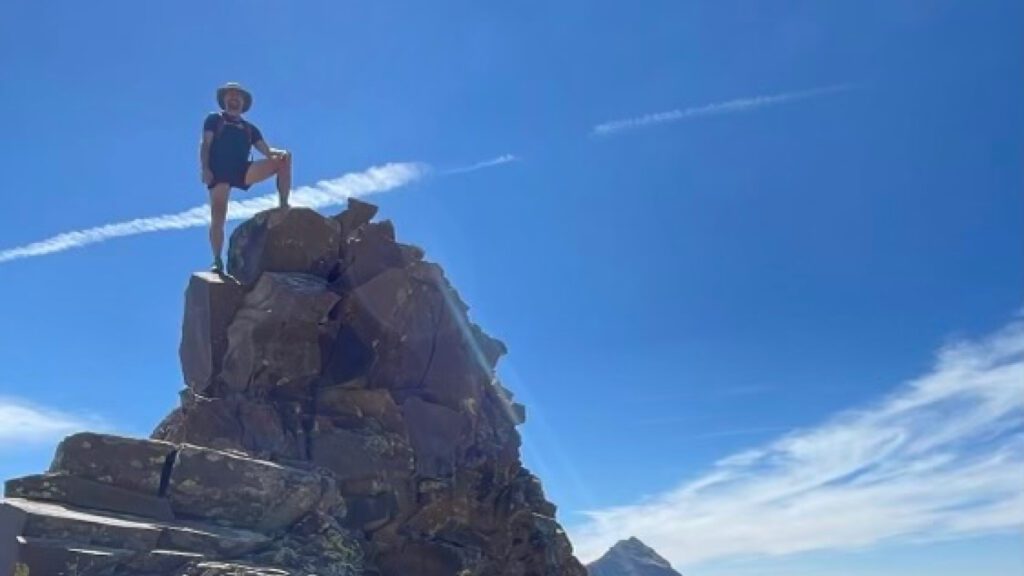
After his time on the farm, Dennis did work for Joe to bring Spartan Races to Greece and Istanbul, spending a year living in Turkey before heading back to the U.S. to finish school. A few injuries later, Dennis retired from racing and made his way to Utah for a data bootcamp, mathematics, and to be near his brothers in an incubator style house. Cut to today: he’s our Data Engineer and the brain behind Member Bennies, and he spends his weekends running Grandeur, climbing, and trying to get as many mountain scrambles into his system as possible.
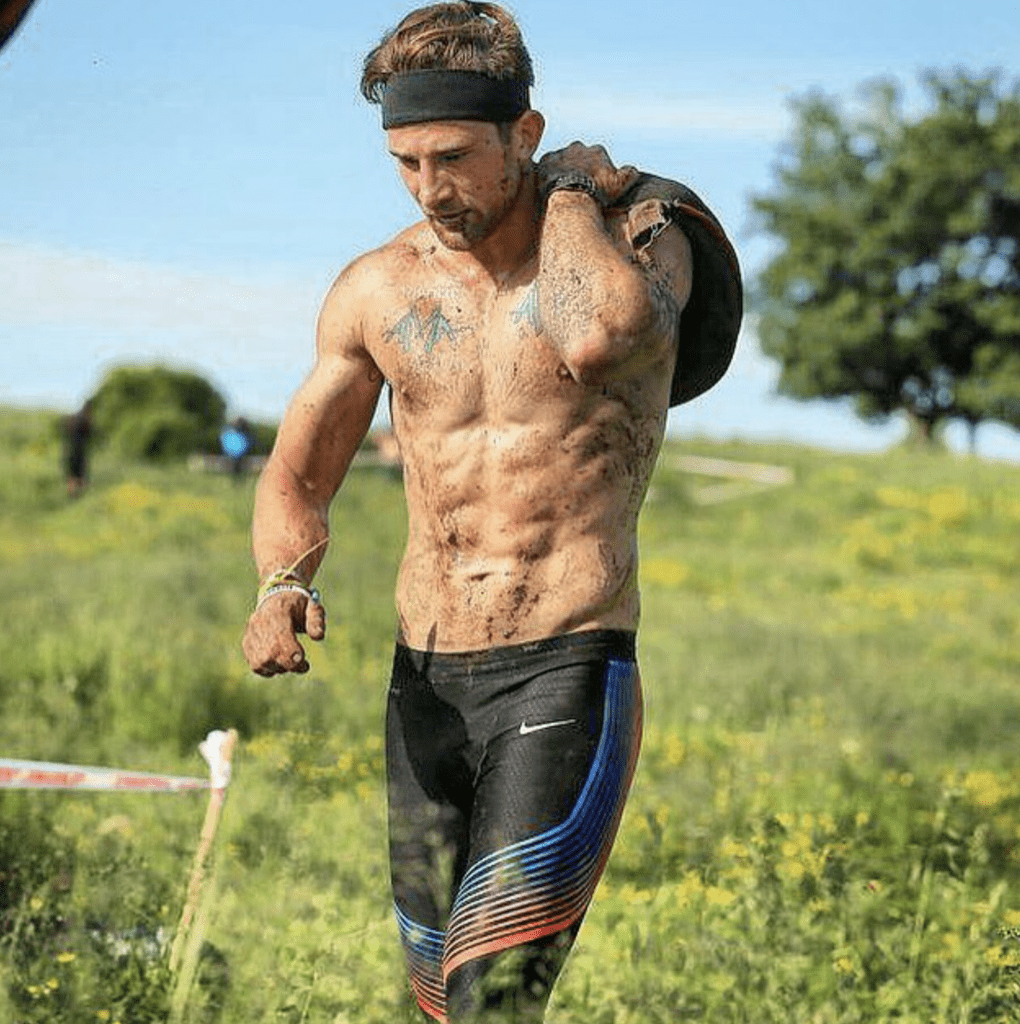
Up next for Dennis is HYROX, something his former Spartan friends have taken to and a format that plays to his strengths: short bursts of intense, strength-based movement over the long endurance demands of Spartan racing. He’s not yet a HYROX athlete, but you’ll likely find him in classes working on his sled pushes, unbroken wall balls, and staying connected to the competitive side of fitness he’s always gravitated toward. Eight predictable stations and an 8km run sounds nothing like a Vermont farm full of spikey monkeys (ask him for the story), but the feeling is the same: perseverance, physical demand, and community.
The jury is out if he’ll race again on the main stage, but we’re staying tuned for what he does with us here.
HYROX classes launch at The Front this spring. Stay tuned to sign on and start training for your first race.
Katie McGowan
Communications Manager