
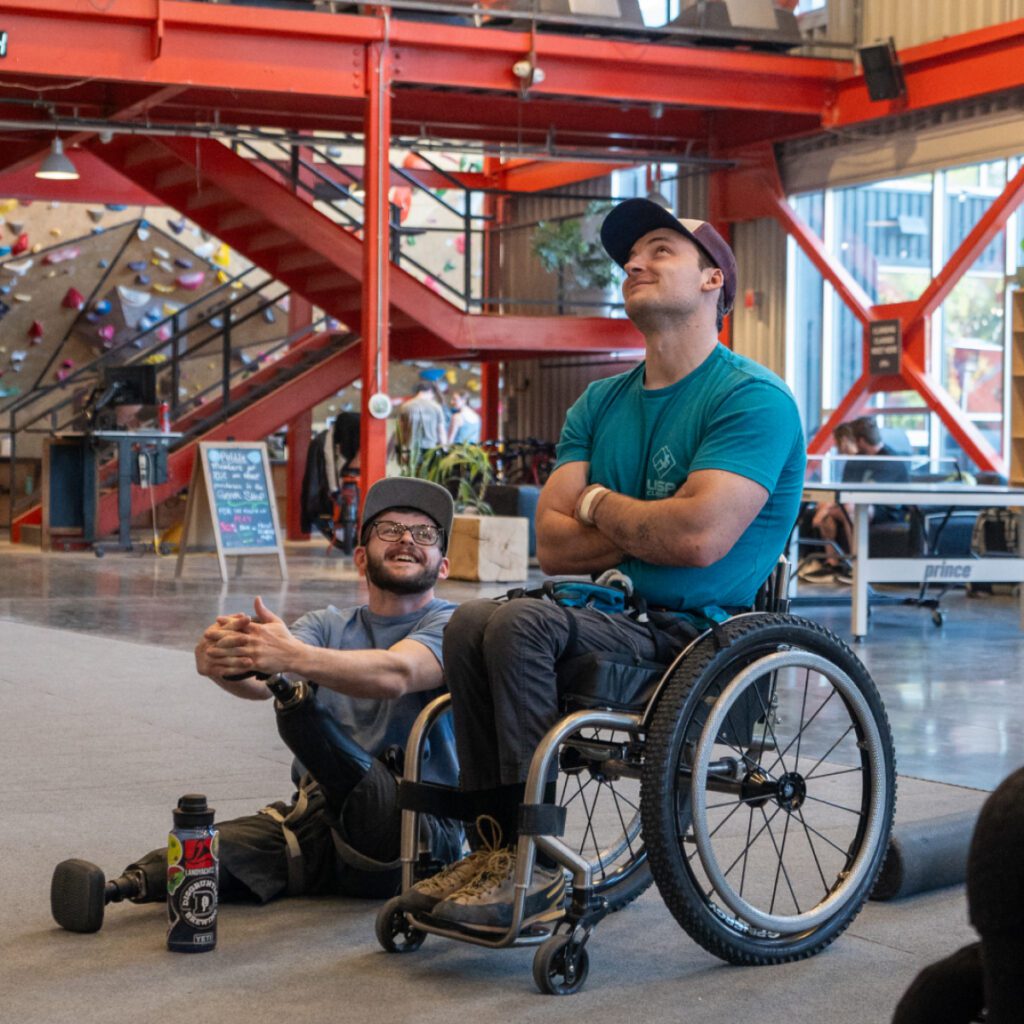


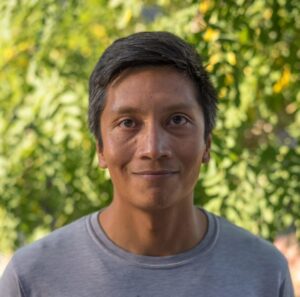
Chris has 15+ years of climbing experience across all disciplines with a primary focus on sport climbing and bouldering. Throughout the years he has coached youth competitors, trained national caliber athletes and founded The Front’s adaptive climbing meetups for amputees and athletes with neurologic and/or physical deficits.
Chris is a Doctor of Physical Therapy and has a Bachelors of Science in Health Promotion and Fitness Management.
Chris specializes in strength and power for climbing, resistance training and injury prevention. Whether it’s climbing or any mountain sport, he loves helping athletes meet their fitness goals. Chris has vast experience in teaching and coaching at all levels and is excited to be a part of the coaching team at The Front.

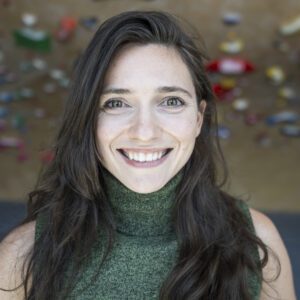
Hilary has been an avid climber for 30 years. Growing up on the East Coast, she began climbing in the Gunks, making the trek from NYC every weekend. As a former gymnast, the transition to climbing came naturally, but mastering the mental and technical aspects of the sport took time. Hilary competed at local and national levels for many years. She later embarked on a yearlong climbing road trip, embracing "vanlife," which ultimately led her to settle in Salt Lake City. She continues to sport climb and boulder outdoors, as well as in the gym.
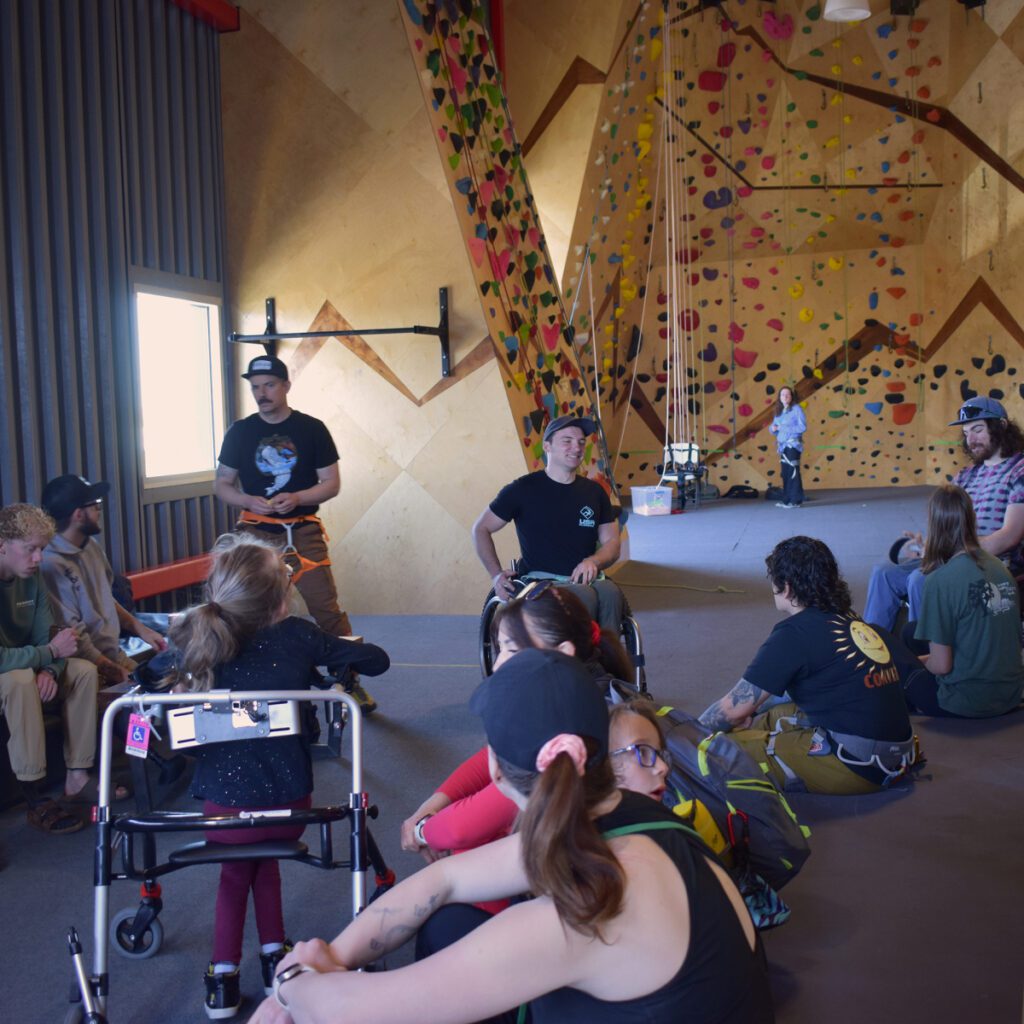
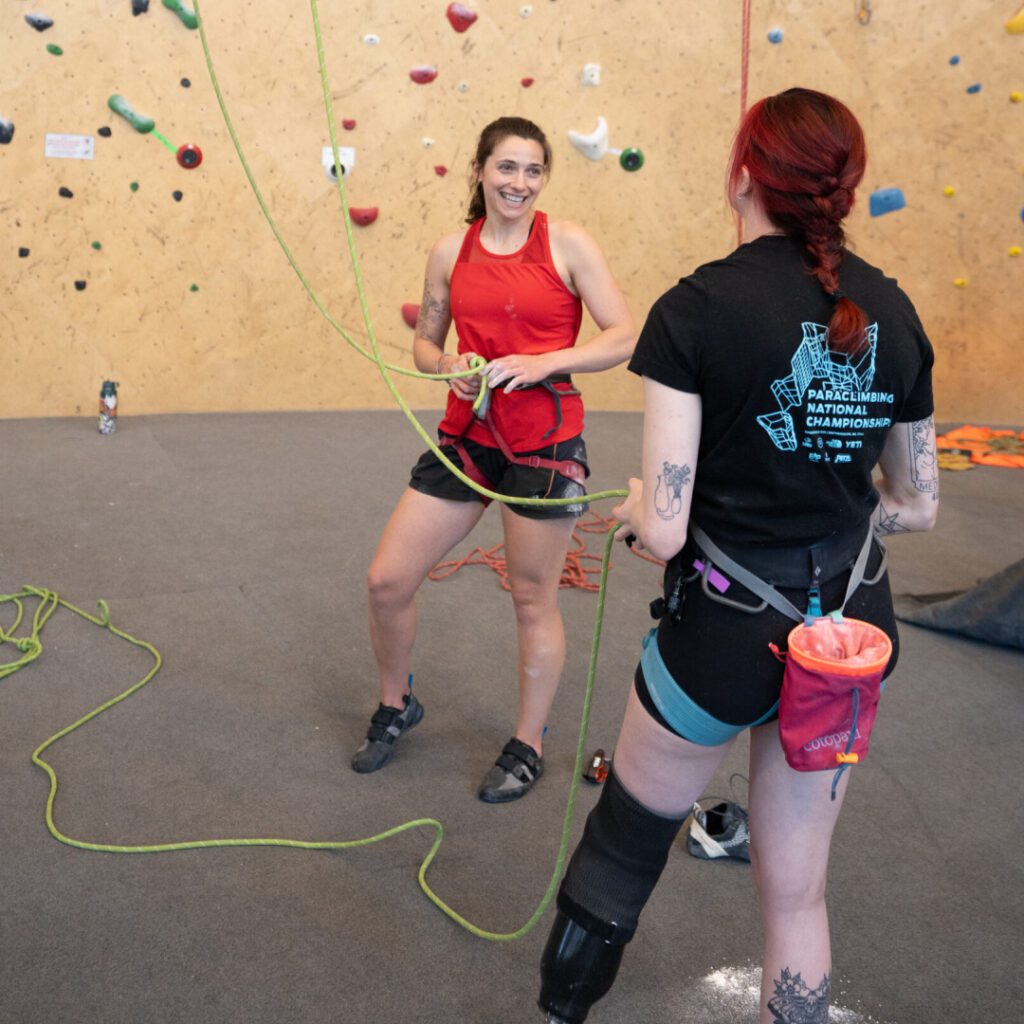
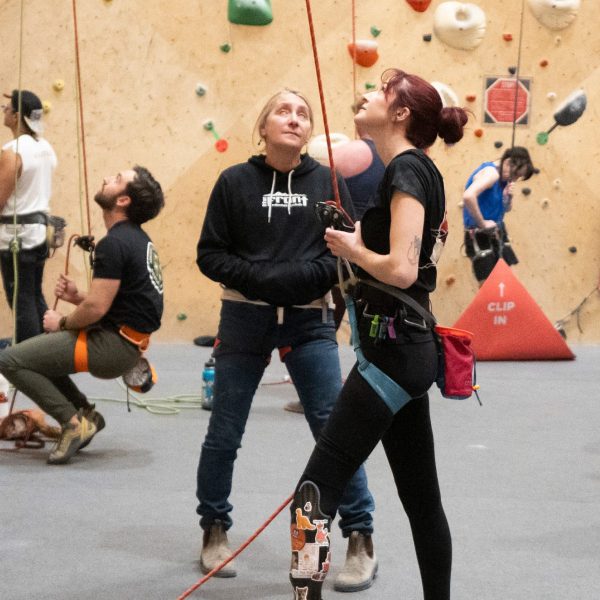
For the past seven years, Hilary has been a coach at The Front, building on her years of experience coaching gymnastics. She works with the Youth Competition Team, the Adaptive Paraclimbing Team, and the "Upending Parkinson’s" group. She also teaches adult programming and works as a private coach. As a climbing coach, Hilary specializes in teaching movement, the mental aspects of the sport, breathwork, and fear management. She believes movement is at the core of climbing, with all other skills building upon that foundation. She finds it incredibly rewarding to see climbers make small adjustments in their position or movement initiation, allowing them to succeed in moves they previously struggled with.
Hilary works with both youth and adult climbers, including adaptive athletes, from beginner to advanced levels in all aspects of the sport including lead, top rope and bouldering.
Hilary’s coaching philosophy centers on developing the whole athlete—not just their climbing skills, but also their emotional and mental resilience. She believes a growth mindset is key to improvement and that a shift in perspective can transform challenges into opportunities for growth. Her holistic approach helps athletes become the best climbers they can be, whether their goals are recreational or competitive, in the gym or outdoors.
Hilary was an Assistant Professor at the University of Utah for 15 years. She now runs a private practice as a Speech-Language Pathologist. She is also the proud parent of a former Front Competition Team athlete.
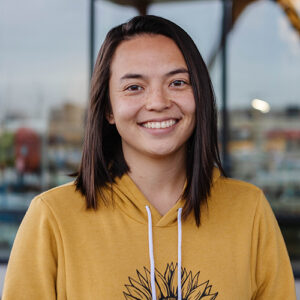

Maya is a Salt Lake City native who grew up climbing all over Utah. She has a love of competition climbing developed over 9 years of competing in the youth and collegiate circuits. She is excited to bring this passion into her work with the adaptive climbing community.
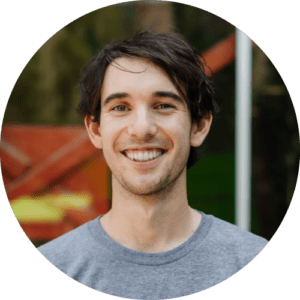
John has over 8 years of climbing experience and although he enjoys all disciplines, his favorite is sport climbing on some pretty limestone. John has worked and instructed at several climbing gyms and has been with The Front in a variety of positions for the past 3 years.
John has a BA in Biology and is currently pursuing a PA degree. When he’s not working on that, he loves to explore Utah and the surrounding states through a variety of different activities. John is pretty dang psyched on climbing and all of the physical and mental benefits it can provide and is excited to get as many people moving vertically as possible. That’s why John is hoping to help expand and grow The Front’s Adaptive Climbing Program so that it can reach a broader audience within the SLC community.


